The Olympics
Playing games, playing in the games, watching the ones playing the games. Meaning itself is a game we agree to play, for a while.

The Opening Ceremony
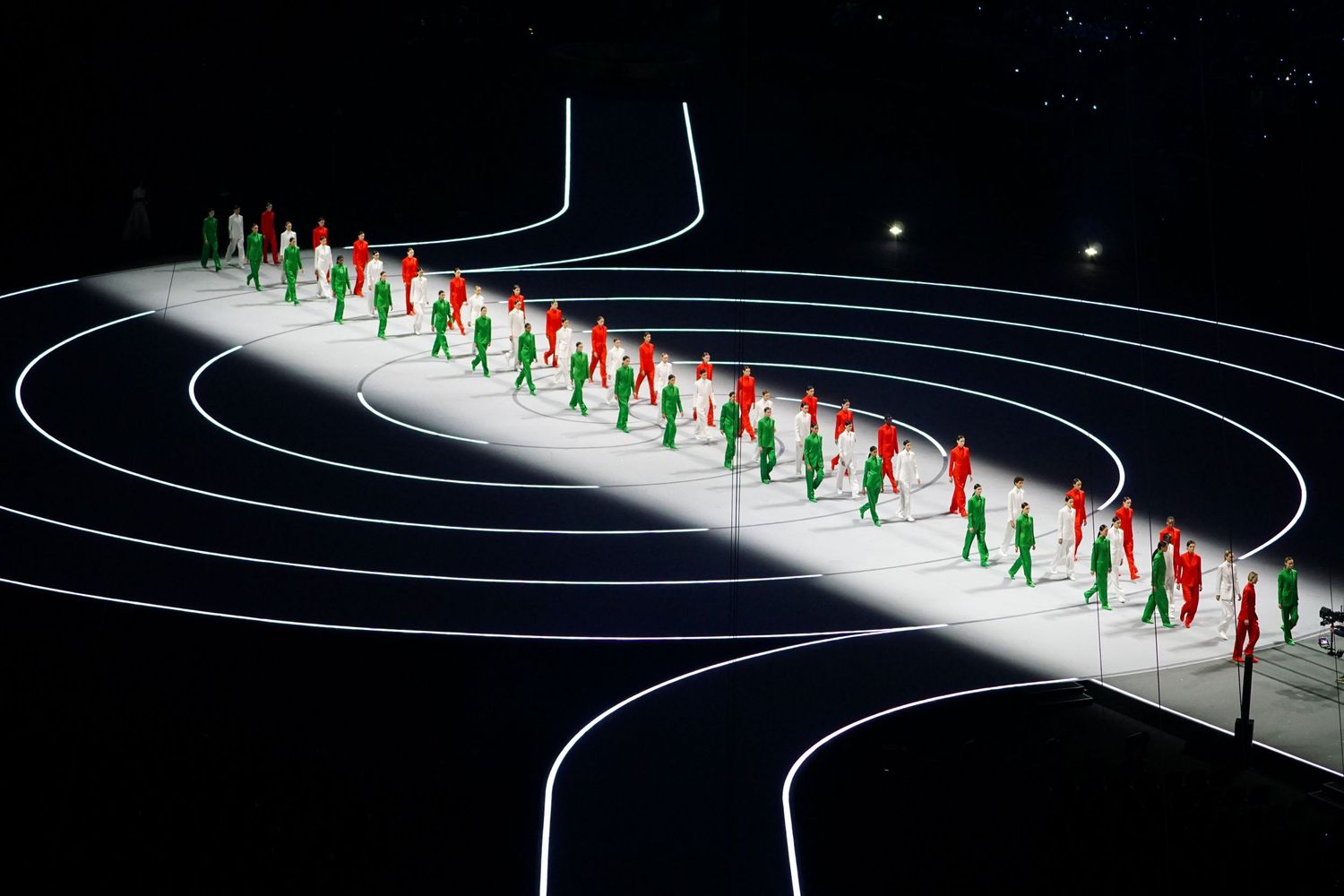
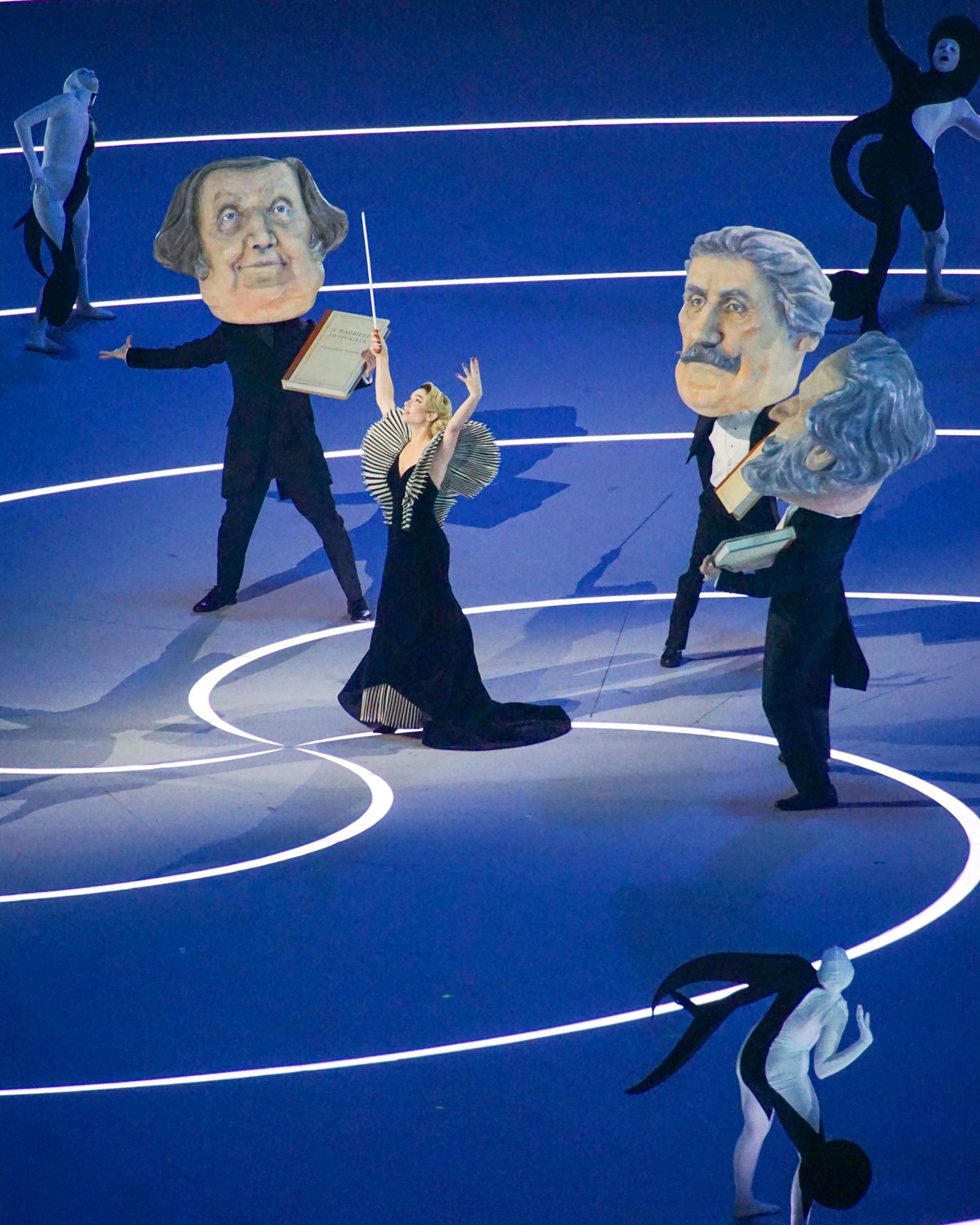
The opening ceremony was held on February 6, 2026, at San Siro Stadium in Milan, Italy. The central artistic theme, Armonia — meaning “harmony” in Italian — shaped the entire presentation. The ceremony was designed around the idea of bringing together contrasting elements, including tradition and innovation, culture and sport, and the urban host city of Milan with the mountain host region of Cortina, into a single, unified celebration.
Armonia served as the foundation for the performances and storytelling throughout the evening, reflecting a message of unity, connection, and the blending of Italy’s cultural heritage with the global spirit of the Olympic Games. The ceremony officially marked the beginning of the Olympics and reinforced the theme of harmony between people, places, and traditions.
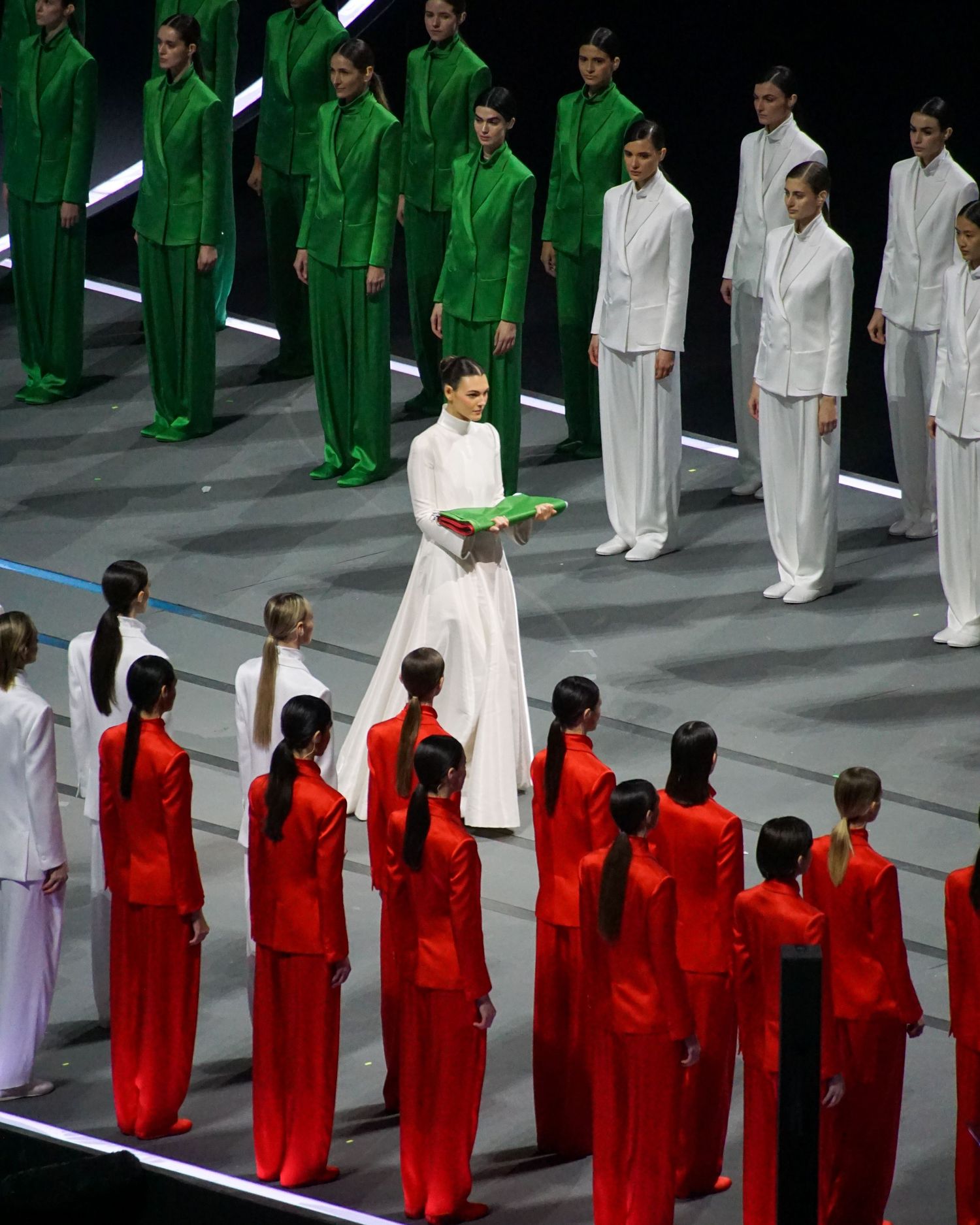
Key symbolic moments highlighted the partnership between Milan and Cortina, celebrated Italy’s history and identity, featured the lighting of the Olympic flame, and welcomed athletes from around the world during the Parade of Nations. We were sitting among thousands of people who had traveled from all over the world for the same reason.






The Games
The men’s short program in figure skating took place on February 10, 2026, at the Mediolanum Forum in Milan. As the opening segment of the men’s individual competition at the 2026 Winter Olympics, the event brought together many of the world’s top skaters to perform carefully choreographed routines that combined technical precision with artistic expression. Among the competitors was Ilia Malinin, widely known as the “Quad God” for his ability to land some of the most difficult jumps in figure skating. His performance drew particular attention, reflecting the continued progression of technical difficulty in the sport and highlighting the level of athleticism present at the Olympic level.


The City
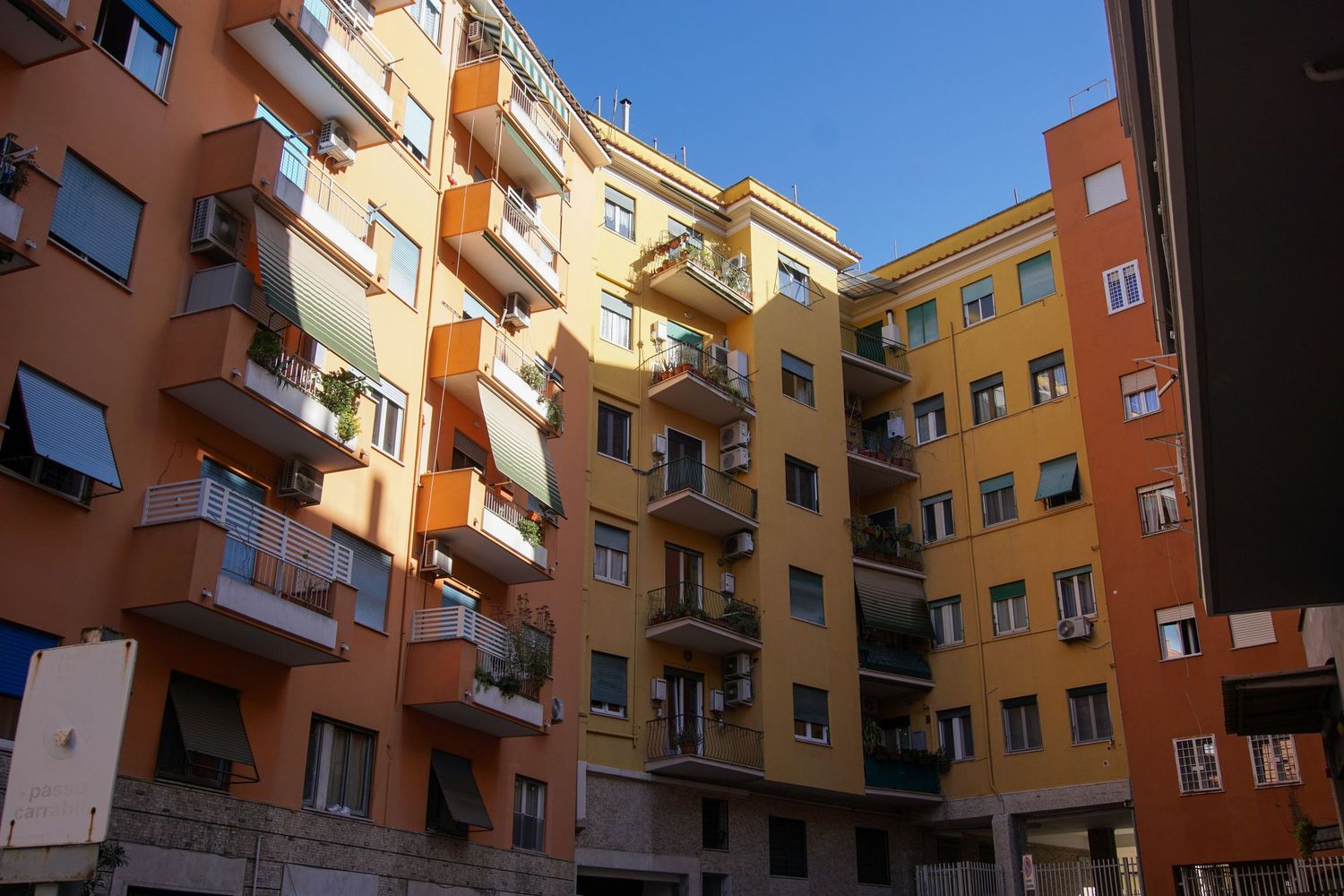
Visiting Venice, Milan, and Rome offered a glimpse into the layers of history that define Italy, where art, culture, and daily life have been intertwined for thousands of years. Venice rose to prominence over a millennium ago as a powerful maritime republic, its canals serving as routes for trade and cultural exchange, leaving behind a city shaped by Byzantine and Renaissance influence that still feels suspended in time. Milan became a center of innovation during the Renaissance, where artists like Leonardo da Vinci lived and worked, and today it continues to influence global fashion, design, and modern culture. Rome reaches back even further, once serving as the heart of the Roman Empire, whose influence shaped government, architecture, engineering, and culture across much of the Western world, and its ancient landmarks still stand as reminders of that legacy. Together, these cities reflect Italy’s long tradition of creativity, human achievement, and cultural leadership. Because of this, hosting the 2026 Winter Olympics felt especially fitting, as the Olympic ideals of unity, excellence, and international connection echo Italy’s historic role as a place where people, ideas, and cultures come together, making the Games feel like a natural extension of the country’s enduring story.




Temporary Worlds
Before nations, before ceremonies, before meaning itself, there was only the human instinct to play — to move, to watch, to gather — and in doing so, to create a temporary world with its own rules and rhythms. In the spirit of Armonia, harmony became the thread that held it all together, reminding us that what matters most isn’t who wins, but that, for a little while, we agree to play the same games.
Chelsea Blake
The Four Stories Company, LLC